This one made it into the book. I wrote it in 2008, when I was in Hawaii and watching the gap between what human beings are capable of and what they actually do to each other feel particularly vivid. It aged well — the underlying mechanism is structural, not topical.
The world is brutal before you factor in what humans do to each other. Start there. Natural disasters, disease, the ordinary violence of ecosystems. Add the human layer — genocide, murder, people watching others starve in plain sight while being entirely capable of stopping it — and the question becomes not “why is the world violent” but “why do we organize our societies in ways that amplify the violence rather than reduce it.”
The essay’s answer is a specific one: at some point in the development of complex societies, specialization of responsibility became necessary. Someone grows the food. Someone defends the perimeter. Someone manages the water supply. This is fine — it’s efficient, it allows for scale, it’s how civilization happens. The problem is what occurs when specialization becomes outsourcing. When individual responsibility doesn’t just divide but disappears. When “that’s not my department” becomes a complete moral answer.
I was writing from Hawaii, which has a specific texture to this question. Island life makes interdependence visible in ways mainland life obscures. When your fresh water comes from the same aquifer your neighbor’s garbage is near, you can’t pretend that the water problem is someone else’s responsibility. The abstraction that mainland infrastructure creates — pipes and grids and systems that make resource flows invisible — allows for a moral detachment that probably shouldn’t exist.
The essay tracks how that detachment scales up into the conditions that allow genocide, famine, and systemic neglect to persist in a world with sufficient resources to prevent all three. The mechanism is not evil. It’s structural. Which is both more and less comforting, depending on your politics.
—
*This piece was expanded and collected in [Not My America: A Stranger in a Strange Land](https://www.amazon.com/Not-My-America-Stranger-Strange-ebook/dp/B0G3C44X7D/) — essays about America observed from the outside, by someone who left and couldn’t quite believe what he found when he looked back. Available in Kindle and paperback.*
**[Get Not My America on Amazon →](https://www.amazon.com/Not-My-America-Stranger-Strange-ebook/dp/B0G3C44X7D/)**
—
**You might also like:** [A Question of Authority – Can there be Authority in an Anarchist Society?](https://www.vagobond.com/a-question-of-authority-can-there-be-authority-in-an-anarchist-society/), [A Brief History of the Mass Media](https://www.vagobond.com/a-brief-history-of-the-mass-media-2/), [Anarchy as Religion – Religious Anarchy in Social Context](https://www.vagobond.com/anarchy-as-religion-religious-anarchy-in-social-context/)
*Browse the full CD Damitio catalog at [indignified.com/books](https://indignified.com/books)*
—
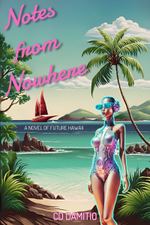
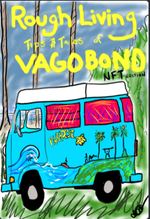
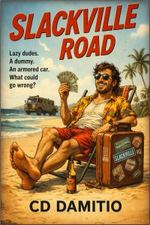
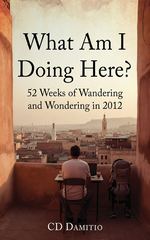
My books don’t fit in any neat box — because they’re about people who feel something huge is missing… and actually go look for it. Some even find it.
Dive into the full catalog and see which story hits you hardest. CD Damitio on Amazon.

CD Damitio writes at indignified.substack.com — essays on utopias, dystopias, and the spaces between. Free to read. No algorithm, no sponsored content. His books can be found on Amazon at https://www.amazon.com/stores/CD-Damitio/author/B001JP7NWA
CD Damitio writes INDIGNIFIED — utopias and dystopias explored. Free to read.